
SHIELD

A global network of people protecting others online, sharing with and learning from each other.

SHIELD connects grassroots organizations, practitioners, and young people already working on the front lines of online safety, then helps that work reach the people and institutions positioned to act on it.

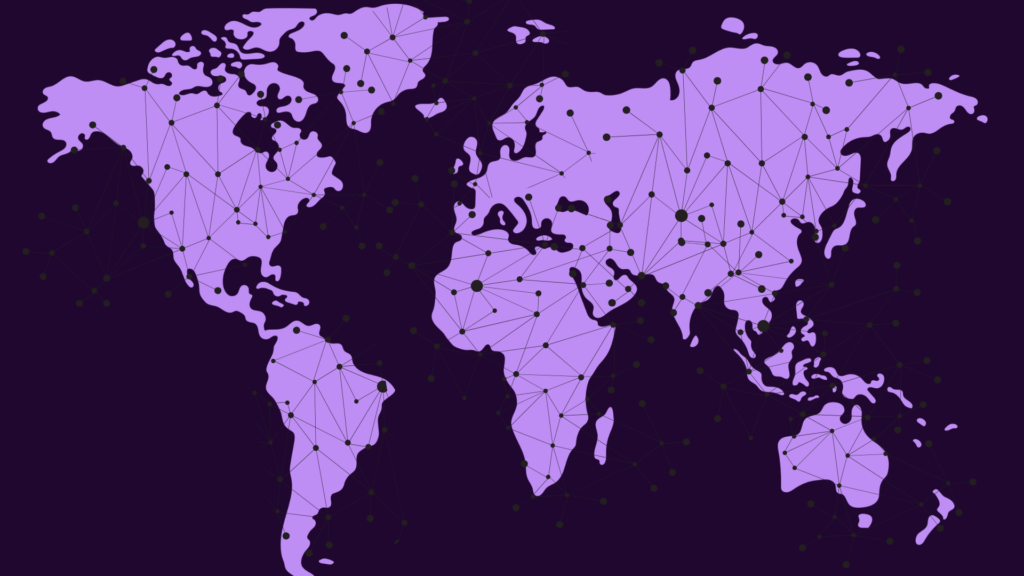
world map with network dots and lines

The Network

Nearly 100 members across 24 countries, and a Youth Council giving young people a structured voice.

SHIELD’s network is built through direct relationships, not sign-up forms. Leadership sits with the people closest to each issue, co-designing solutions rather than receiving them from outside.

The Youth Council extends that same model to young people specifically, currently forming its first cohort across seven countries and eight languages.

What the network has built

Two years of convening, from flagship conferences to focused conversations on specific harms.

Flagship conferences

Global Online Safety Conference
2025 and 2026 editions

Mini-conferences

AI Companions: Understanding the Risks and Staying Safe

Therapy Bots & the Future of Mental Health
 
Youth Voices in Digital Wellbeing

Regional & policy work

Spanish-language series on protecting children online, with experts from across Latin America

EU Working Group for the Code of Practice on Transparency of AI-Generated Content
hours of free educational content
0
event attendees reached
0 +
recording views
0 +

2026 Conference outputs: Two Theories of Change

Two ways this work gets done, and where each one reaches its limit.

The first works through laws and platform accountability, producing evidence that governments and companies can act on. It has built real infrastructure, but it needs harm to already be visible and measurable before those larger bodies can respond.

The second is built by the people working directly in the communities affected, shaped by the specific conditions of the specific people and places they know. It produces solutions that work where the harm is actually happening, but it operates almost entirely without the funding or recognition the first approach gets.

Institutional Leverage

Works through laws and platform accountability, producing evidence that governments and companies can act on. It has built real infrastructure, but it requires harm to become visible and measurable to those larger bodies before they can respond. This creates a critical timing gap between when a harm first appears and when it is acted upon.

Grassroots Practice

Is built by the people working directly in the communities affected, from the specific conditions of specific people and places. It produces solutions that function where harm actually occurs, but operates almost entirely without the resources or recognition the first approach commands.

Across sessions spanning different regions and types of harm, four learnings kept surfacing.

Evidence of safety is not the same as safety.

Systems built to demonstrate compliance can succeed completely on their own terms while leaving the people they’re meant to protect no safer.

Harm originates below the layer where responses concentrate.

Responses concentrate where harm is easiest to see, not where it starts. Harm begins earlier, in design decisions and community contexts systems were never built to notice.

Co-design is a quality control mechanism, not a participation practice.

A system built without the people it serves is calibrated to assumptions rather than reality, and that gap is where harm falls through.

Protection and preparation are different investments, and both are necessary.

Removing a threat doesn’t build the capacity to navigate the next one, and resilience can’t be treated as optional.

people holding hands

Support the Leaders Already Solving This

You’ve probably heard plenty of people talking about online safety problems. SHIELD works differently. We support the people already solving them.

Right now:

  • Community organizers are creating child protection frameworks that work in their contexts; understanding local vulnerabilities and building trust networks that outsiders miss
  • Across Nigeria, Kenya, and South Africa, worker-led organizations are advocating for mental health support and fair treatment of content moderators and data workers: the invisible architects of AI systems
  • From India to the United States, privacy advocates and educators are translating complex tech policy into practical guidance that helps real families make informed decisions about their data.
  • Across the globe, survivor support organizations are providing expert crisis response to victims of cybercrime and technology-facilitated violence
  • Across continents, youth leaders are teaching their peers about digital wellbeing, AI literacy, and STEM equity because they understand how their generation experiences technology

These leaders have solutions. What they need is support, connection, and amplification.

Your donation doesn’t fund SHIELD to ‘fix’ online safety for communities. It funds SHIELD to:

  • Connect leaders across six continents so a solution developed in Kenya can inform work in India, and research from Australia can strengthen advocacy in Europe
  • Strengthen effective initiatives so they can move from serving dozens of families to reaching thousands or from one region to an entire continent
  • Amplify voices from underrepresented regions in global tech conversations. Help  ensure decisions about AI, privacy, and platform safety include expertise from Africa, Asia, and communities typically excluded

Donate Now

What Our Members Say

Get the latest from SHIELD

Sign up for our newsletter to receive updates on our events, online safety initiatives and resources.