
SHIELD Global Online Safety Conference 2026
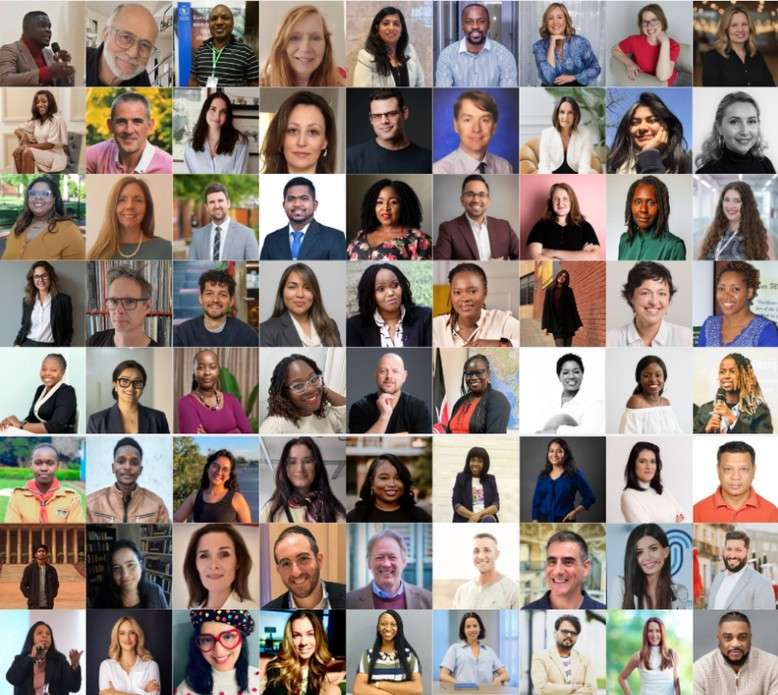
Three days. Eighty speakers. Twenty‑five countries.
A collective effort to describe digital harm as it is actually lived, and what it takes to respond to it with accuracy, depth, and integrity.
The insights gathered and full picture of what was shared are brought together here.
What This Conference Is
This conference brought together people whose work begins where online life and real life meet: practitioners, young people, educators, caregivers, technologists, researchers, community leaders, designers, and organizers.
Each of them arrived carrying the knowledge that comes from proximity, seeing patterns early, responding to harm directly, and building solutions inside the conditions where they are needed.
They offered perspectives shaped by different regions, languages, disciplines, and responsibilities, but connected by a shared commitment to understanding digital harm as it is actually experienced.
The reference document captures these contributions exactly as they were given: in their full detail, with their nuances intact, and with the precision that comes from people speaking from inside their own work. It reflects a collective record of what they know, what they are building, and what they believe the world needs to hear.
Where This Conference Was Sitting
Theory of Change 1
Systems Change Through Institutions
This approach works through legislation, regulation, platform policy, research, and formal evidence. It creates essential protections, shapes industry standards, and builds the large-scale structures that influence digital environments.
Theory of Change 2
Change Through Communities and Practice
This approach begins where harm is first felt: in homes, schools, cultural contexts, local languages, and everyday interactions. It is practiced by the people who respond directly to what is happening in their local realities.
How They Work Together
Institutional systems create structures that can protect at scale.
Community‑rooted practitioners know what those structures must actually respond to.
One builds reach.
The other builds relevance.
Real progress needs both.
Where SHIELD Stands
SHIELD’s work, and this conference, is rooted in Theory of Change 2:
change that begins in affected communities, led by people who understand the conditions from the inside.
Because lasting change grows from the ground up, and the people closest to harm often lack the visibility, resources, and support needed to carry their solutions further.
Our role is simple:
- Amplify their knowledge
- Support their work
- Connect them globally
- Ensure their evidence shapes the broader conversation
This conference is the space where that alignment becomes possible.
Conference Insights: Four Findings
Evidence of Safety Is Not the Same as Safety
Systems can show that safety measures were followed while the person experiencing harm remains unprotected. The difference between documented safety and lived safety is often wide, and real protection depends on whether people can access meaningful remedy when something goes wrong.
Harm Begins Below the Layer Where Responses Typically Land
Often responses focus on the point where harm becomes visible, not the earlier conditions that produced it. Understanding and addressing those deeper layers is essential for responses that actually reduce harm rather than trace its surface.
Co‑Design Is a Requirement Of Success
Safety systems built without the people they are meant to serve inevitably miss crucial information. Co‑design strengthens accuracy, relevance, and effectiveness because the insight needed for correct design lives with the people navigating the conditions every day.
Protection and Preparation Are Both Necessary
Removing threats is important, but it cannot stand alone. Long‑term safety requires building people’s capacity to navigate digital environments, recover from challenges, and make grounded decisions. These foundations remain when protective measures cannot.
Explore the Themes
Use the reference document to navigate the eight major areas of conversation:
- Banning & Restriction
- Building Capability & Resilience
- AI Entered Education Before Education Was Ready
- Who Safety Systems Don’t See
- Young People Leading the Conversation
- Governance That Doesn’t Reach Where the Harm Is
- Frameworks Built From Practice
- Tools Built From Need
Each theme holds precise contributions from speakers across the world, kept as close as possible to what they actually said.
Conference Highlights
Get the latest from SHIELD
Sign up for our newsletter to receive updates on this event, online safety initiatives and resources.